what are you looking for?
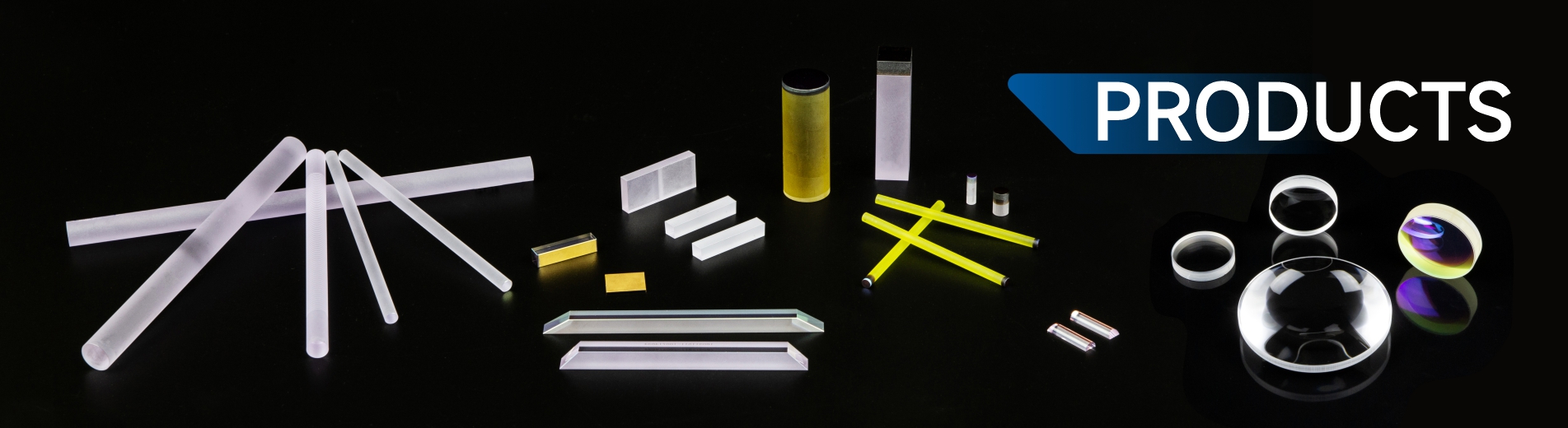
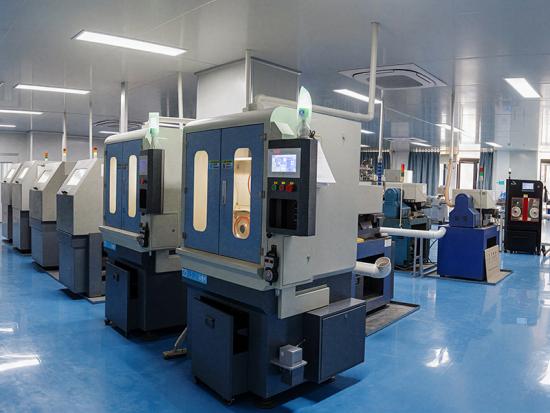
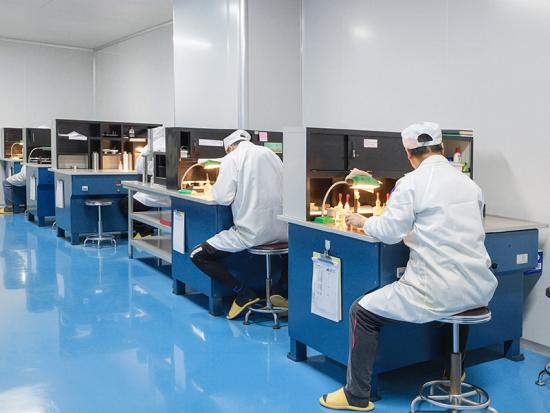
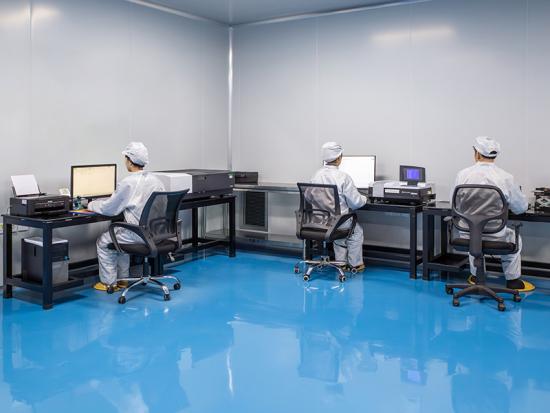
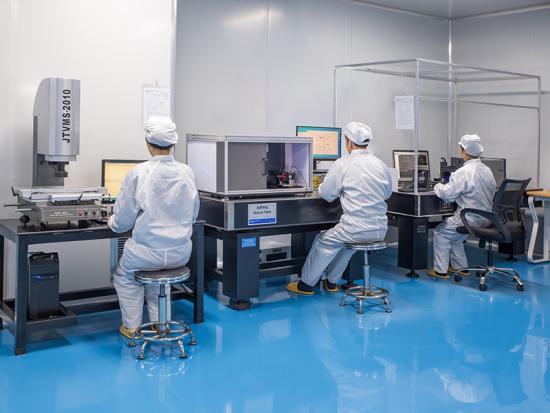
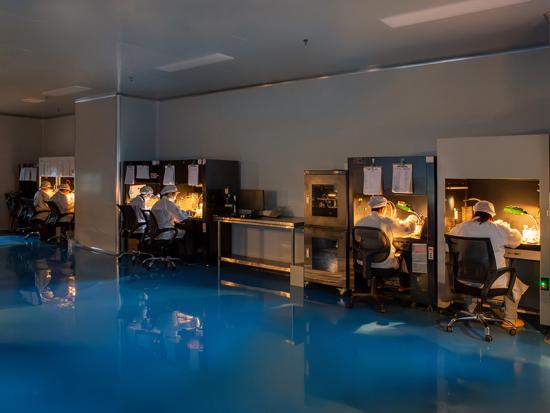
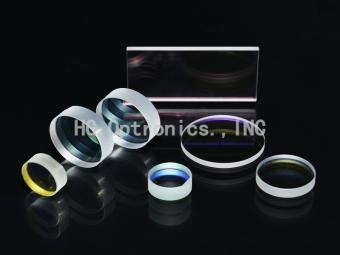
HGO is a company has skillful workers with wide processing experiences and skillful processing technique. Thus we also offer processing service such as oriented, cutting, grinding, polishing ,repolishing, coating ,recoating and diffusion bonding etc. Customers are very welcome to contact with us for further information.
Product Origin:
ChinaShipping Port:
Fuzhou, ChinaLead Time:
3-4weeks


Processing service for various crystals and optics.
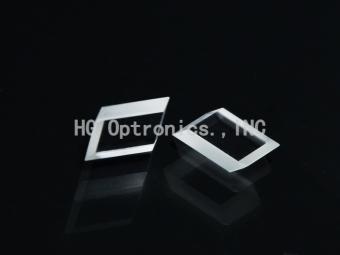
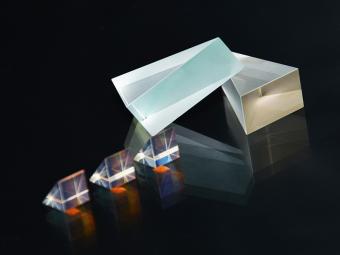
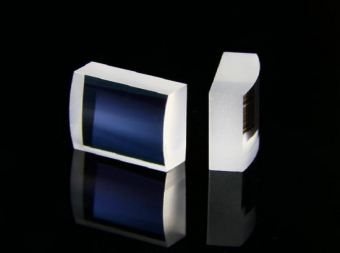
HGO offer processing service such as oriented, cutting, grinding, polishing ,repolishing, coating ,recoating and diffusion bonding etc. Customers are very welcome to contact with us for further information.
HGO offer standard specifications:
|
±0.1mm |
|
|
Orientation |
+/-0.2° |
|
Flatness |
|
|
Wavefront distortion |
λ/10@ 632.8nm |
|
Surface Quality |
10/5 per MIL-O-13830B |
|
Parallelism |
10″ |
|
Perpendicularity |
10′ |
|
Bevel/Chamfer |
<0.1mm@45deg. |
|
Chips |
<0.1mm |
|
Clear Aperture |
>95% |
|
Coating |
AR/HR/PR coating upon customer’s request |
|
Damage Threshold |
750MW/CM2 at 1064nm, TEM00, 10ns, 10Hz or Higher damaged threshold coating are also vailable |
Why Choose HGO?
HG OPTRONICS.,INC. is a company has skillful workers with wide processing experiences and skillful processing technique.
 Leave A Message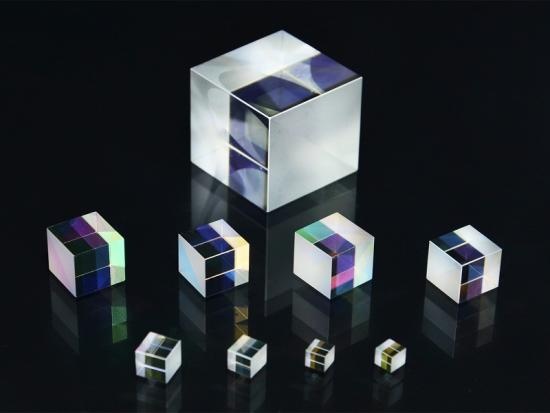
Beamsplitter Cubes are constructed by cemented two right angle prisms. The hypotenuse of one prism is coated with polarization dielectric coating.
Read More
Non-Polarizing Cube Beamsplitters also called NPBS Cube is a more sophisticated type consisting of two right- angle prisms cemented together at their hypotenuse faces.The cemented face of one prism is coated. Before cementing, with a metallic or dielectric layer having the desired reflecting properties, both in the percentage of reflection and the desired color. The absorption loss to the coating is minimal and transmission and reflection could be designed to 10%, 20%, 30%, 40%, 50%, etc.
Read More
Polarization Beamsplitter Cubes are constructed by cemented two right angle prisms, the hypotenuse of one prism is coated with polarization dielectric coating. When used with normal incident, un-polarized light, the incident beam is separated into two polarized beams, p-polarized component is passed straight through, s-polarized component is reflected out at 90deg.
Read More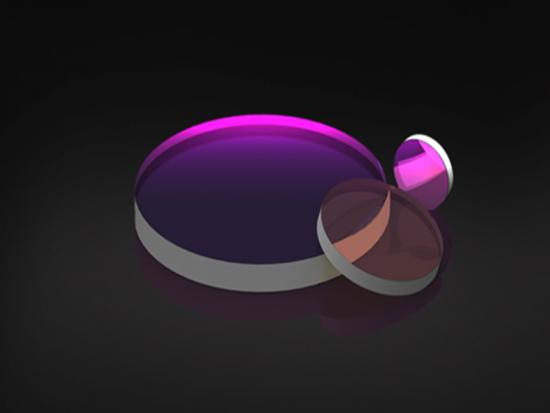
Colored glass filters are optical components that control incident wavelength by distributing an optical absorbing substance in glass.
Read More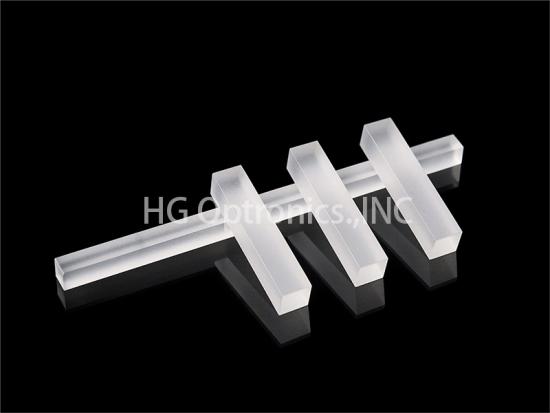
Holmium-doped Yttrium Aluminum Garnet (Ho:YAG) is an important solid-state laser crystal. Due to the excellent physicochemical properties of theYAG matrix, it can withstand high thermal loads and is an important pumpsource laser crystal for mid-wave infrared lasers. At the same time, it is alsoan ideal light source for coherent Doppler wind radar, differentialabsorption radar, and laser rangefinders.
Read More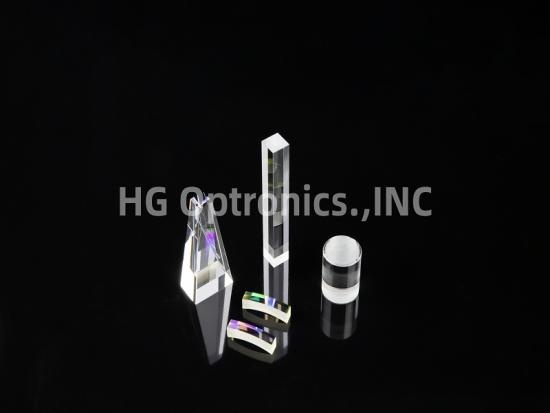
The Positive Meniscus Lenses are a convex-concave lens, but it is thicker at the center than at the edges. They are felt polished and are used universally in the ophthalmic industry where convention dictates that lens power be specified in Diopters. The Negative Meniscus Lenses are a convex-concave lens, but it is thinner at the center than at the edges. Otherwise description is similar to Plano Concave lenses.
Read More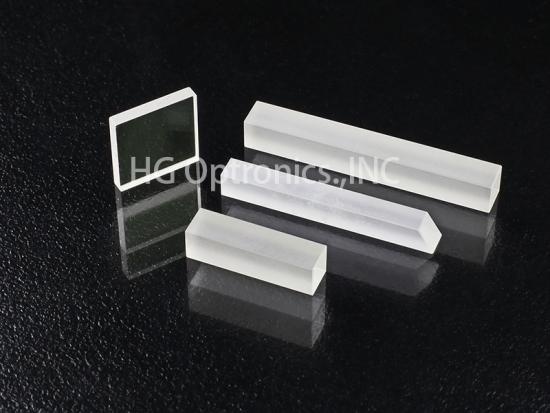
α-BBO (α-BaB2O4) is a negative uniaxial crystal which has large birefringence over a broad transparent range of 190nm to 3500nm. α-BBO is an excellent crystal especially in UV and high power applications. The physical, chemical, thermal, and optical properties of alpha-BBO crystal are similar to those of Beta-BBO. However, there is no second order nonlinear effect in alpha-BBO crystal due to the centrosymmetry in its crystal structure and thus it has no use for second order nonlinear optical processes. Instead, alpha-BBO is widely used for fabrication of polarizers, polarizing beam displacers, phase retarders, birefringent plates, and time delay compensators especially those for UV and high power lasers.
Read More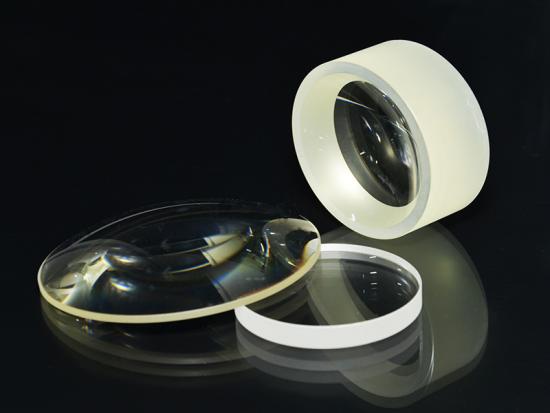
Laser Lenses are used to focus collimated light from laser beams in a variety of laser applications. Laser Lenses include a range of lens types including HGQ Lenses, Cylinder Lenses, or Laser Generator Lenses. Laser Lenseare designed to focus light in several different ways depending on the lens type, such as focusing down to a point,a line, or a ring. Many different lens types are available in a range of wavelengths.
Read More
 IPv6 network supported