what are you looking for?
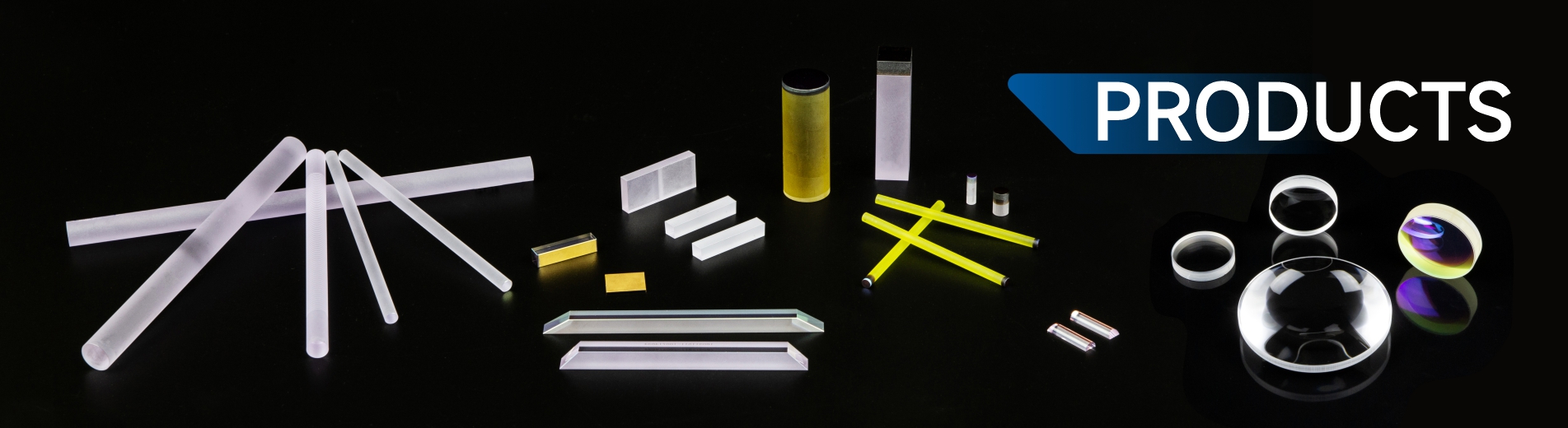
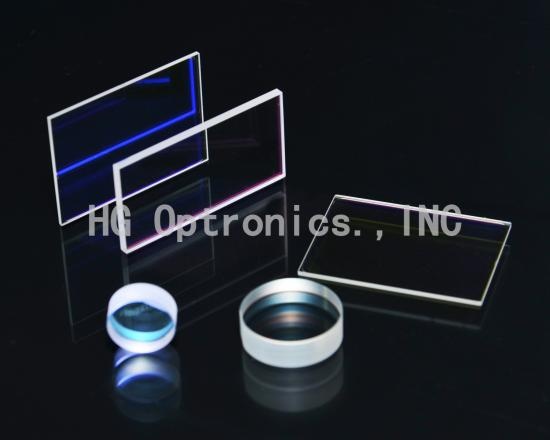
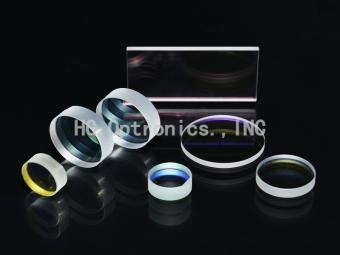
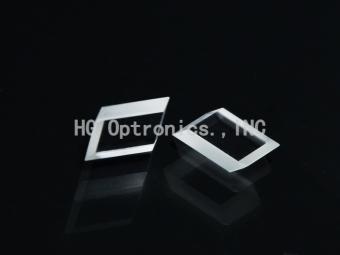
Laser Protect Windows(Laser protective glass, protective filters or welding protective windows) are used to save for the high cost of laser optics.
Product Origin:
ChinaShipping Port:
Fuzhou, ChinaLead Time:
5-6weeks


4.1、What are laser windows used for?
These windows are normally used in applications like laser cutting, laser welding machine, they are used for avoiding the high-precision laser optics damage by material splashes.
4.2、The key features of HG OPTRONICS Laser Windows
High Transmission
High Damage Threshold
Low Scatter
Low Absorption
Excellent Film Density
Excellent Environmental Stability
4.3. Typical Specifications:
|
Material: |
BK7, Fused Silica, ZnSe...etc |
|
Dimension: |
4mm-120mm(Right Angle Side) |
|
Surface Flatness |
Lambda/10@632.8nm |
|
Parallelism: |
30″ |
|
Surface Quality: |
10-5 |
|
Roughness: |
3A |
 Leave A Message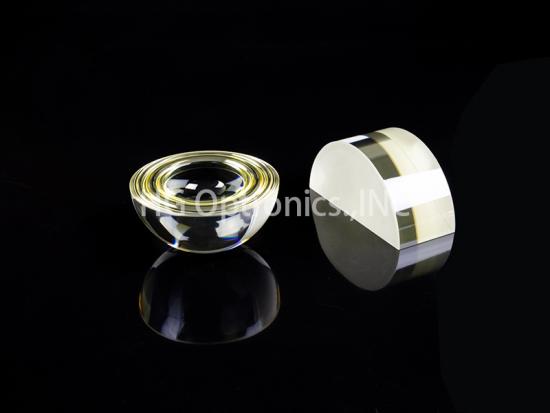
C-lens are specifically designed for fiber optics applications such as collimator, isolator, switch, collimator array and laser assembly. Compare to other gradient index lens, C-lens have several advantages including low cost, low insertion loss in long working distance, and wide working distance range. With our experienced optical design engineers, HG OPTRONICS can also provide custom designed C-lens per customer's requirement.
Read More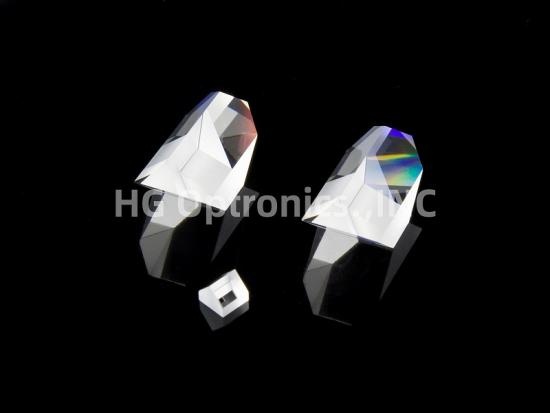
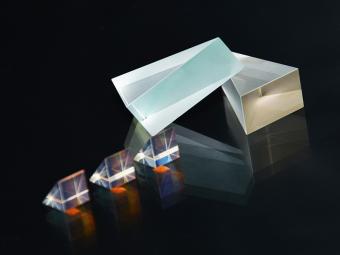
Prisms are transparent optical devices which refract or reflect light. They have manifold applications in laser technology.
Read More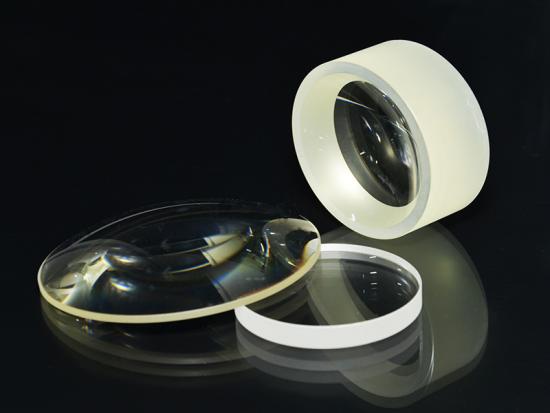
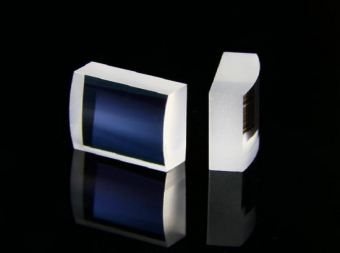
Laser Lenses are used to focus collimated light from laser beams in a variety of laser applications. Laser Lenses include a range of lens types including HGQ Lenses, Cylinder Lenses, or Laser Generator Lenses. Laser Lenseare designed to focus light in several different ways depending on the lens type, such as focusing down to a point,a line, or a ring. Many different lens types are available in a range of wavelengths.
Read More
Laser mirrors are fabricated with specialized coatings, which will offer high damage thresholds.
Read More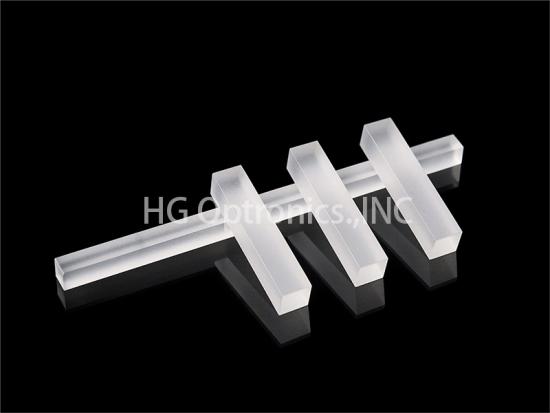
Holmium-doped Yttrium Aluminum Garnet (Ho:YAG) is an important solid-state laser crystal. Due to the excellent physicochemical properties of theYAG matrix, it can withstand high thermal loads and is an important pumpsource laser crystal for mid-wave infrared lasers. At the same time, it is alsoan ideal light source for coherent Doppler wind radar, differentialabsorption radar, and laser rangefinders.
Read More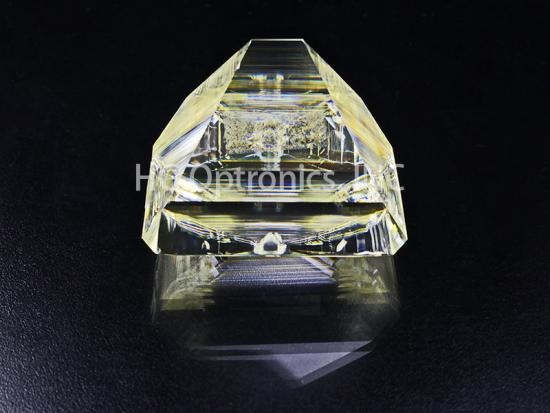
Potassium Titanyl Phosphate (KTiOPO4 or KTP) is widely used in both commercial and military lasers including laboratory and medical systems, range-finders, lidar, optical communication and industrial systems.
Read More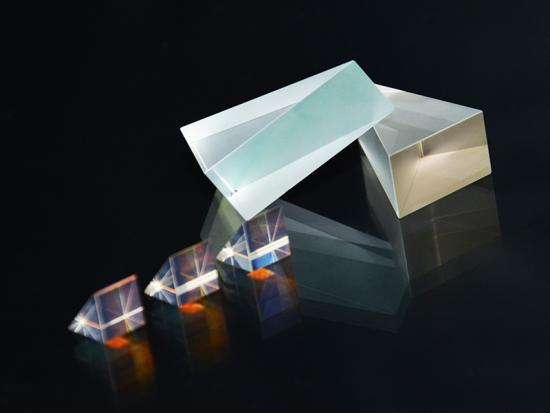
Wedge prism is an optical element with plane-inclined surfaces, usually the faces are inclined toward one another at a very small angles. It diverts light toward its thicker portion. Wedge prisms can be used as isolating components. Wedges may also be used to produce a small deviation which doesnt allow return to source.
Read More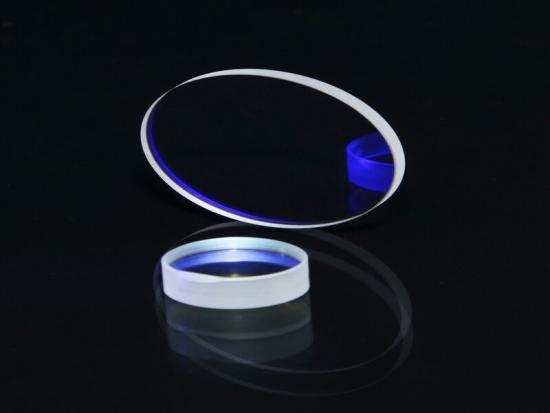
Magnesium Fluoride Windows applicable for wide range spectrum, transmits well into the VUV region at the hydrogen Lyman-alpha line and beyond and it is particularly useful for Excimer laser application.It is resistant to mechanical and thermal shock, to radiation, and is chemically stable.
Read More
 IPv6 network supported